PROFESSIONAL AQUARIUMS FOR FOOD SERVICE, FISHMONGERS AND LARGE-SCALE RETAIL
A complete technical guide: tanks and materials, pumps, filtration, UV-C sterilisation, oxygen and temperature, lighting, bespoke design and maintenance.
- 14chapters
- 15frequently asked questions
- 11sources cited
CHAPTER 1 – WHAT ARE PROFESSIONAL AQUARIUMS FOR THE FOOD SERVICE SECTOR
Professional aquariums for food service are technological systems designed to house, maintain and preserve fish, crustaceans and other marine or freshwater organisms in controlled environmental conditions. Unlike common ornamental aquariums, these systems are designed to meet very specific commercial, food, aesthetic and operational needs.
Keep readingShow less
In the food service, food distribution and fresh fish retail sector, the presence of a professional aquarium is a tool for enhancing product value and managing live animals. It allows the catch to be displayed directly to customers, offering the possibility of choosing the product prior to purchase or preparation.
An aquarium intended for a commercial business must be designed taking into account numerous factors: water volume, housed species, animal density, temperature, salinity, oxygenation, filtration and ease of maintenance. Each component must work in a coordinated manner to ensure stable conditions tailored to the needs of the organisms present.
Structures can be custom-made, integrated into the venue's furnishings or installed as independent systems. Dimensions, materials, lighting and technical configuration are defined according to the available space, intended use and volume of product the business intends to handle.
As can be seen, a professional aquarium is not simply a tank containing water and fish, but a complete system in which design, technology, build quality and daily management must be closely integrated.
CHAPTER 2 – THE PROFESSIONAL AQUARIUM SECTOR AND MARKET REQUIREMENTS
The market for professional aquariums spans several economic sectors, united by the need to store and display live seafood. Food service, fishmongers, supermarkets, hypermarkets, wholesalers and food logistics operators are among the main users of these solutions.
Keep readingShow less
In recent years, the fish retail and service sector has placed increasing focus on display quality, product traceability, space layout and the management of storage conditions. Consumers wish to know the origin of the fish, recognise the freshness of the produce and choose from a variety of species.
In this context, professional aquariums play an important role. They allow specific species to be presented while still alive, making the purchasing experience more engaging and enabling businesses to diversify their offering. Market demands vary widely. A restaurant may require an elegant, compact aquarium seamlessly integrated into the dining room. A fishmonger may need several tanks connected to a centralised system. A hypermarket may require a large installation featuring multiple compartments, designed for continuous operation.
These needs are joined by those of distributors and supply chain operators, who may use temporary holding systems prior to sale or further processing. Design must therefore start from the specific business that will use the plant. There is no single professional aquarium suitable for all situations: different configurations exist, developed to meet specific operational, environmental and commercial requirements.
CHAPTER 3 – AQUARIUMS FOR RESTAURANTS, HOTELS AND FOOD-SERVICE BUSINESSES
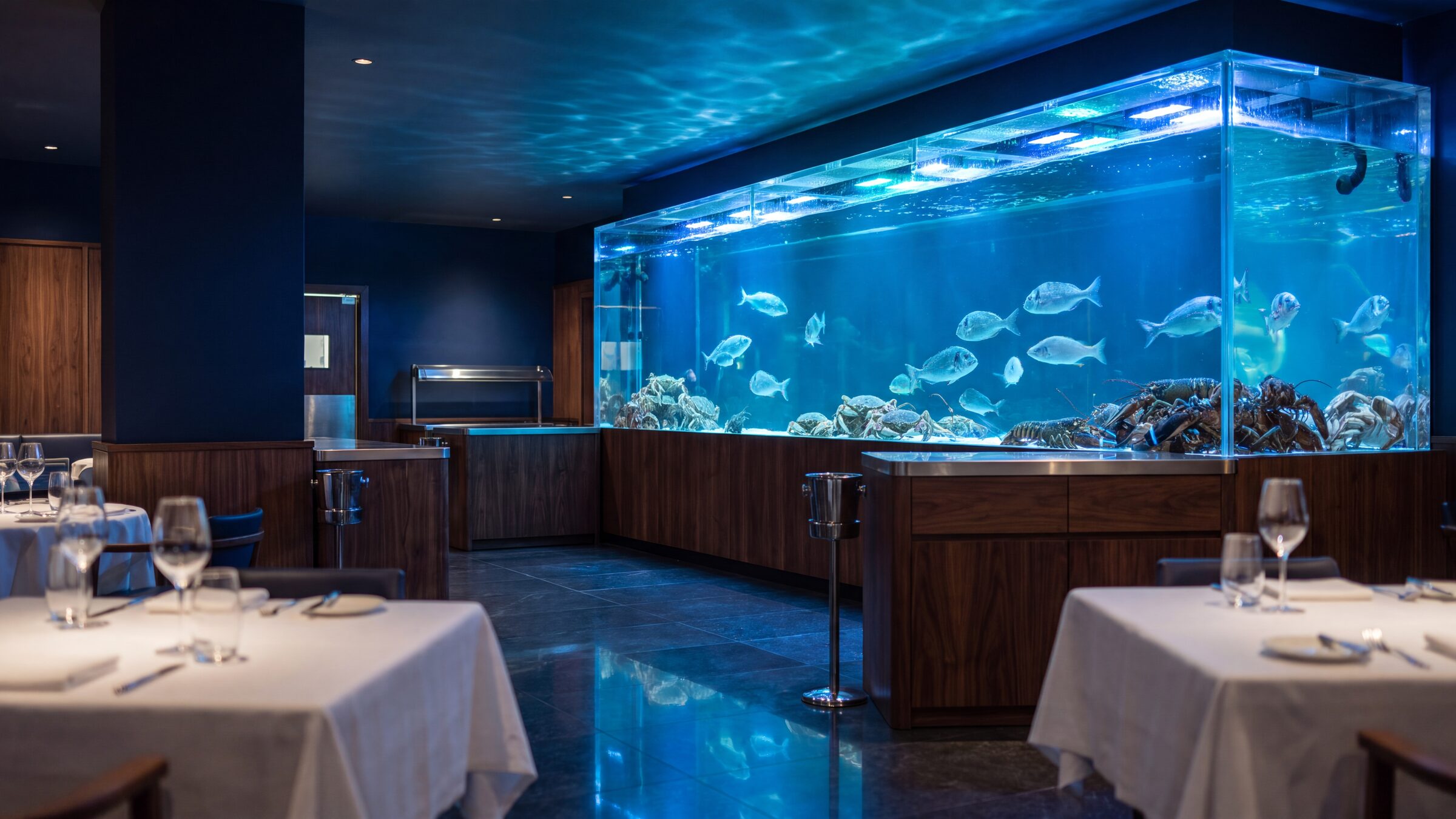
In the food-service sector, professional aquariums represent a solution combining product presentation, service organisation and interior enhancement. They are particularly popular in seafood restaurants, Mediterranean cuisine establishments, raw fish restaurants, sushi restaurants, hotels and high-end dining venues.
Keep readingShow less
An aquarium positioned at the entrance or near the seafood counter can become a distinctive feature of an establishment's identity. Customers can directly view some of the species available and, where service permits, select the product they wish to consume. From a design perspective, the system must blend with the restaurant's decor. Wall-mounted aquariums, panoramic structures, tanks recessed into counters, double-sided installations or free-standing systems used as architectural elements can all be created.
Aesthetics must never compromise functionality. Dimensions must be suitable for the species housed, water circulation must be correctly sized, and all technical components must remain accessible for inspection and maintenance operations. Noise level is a crucial consideration. In customer-facing environments, pumps, cooling systems and mechanical components must be selected and installed with acoustic comfort in mind.
It is important to provide separate management for the aquarium's requirements compared to standard restaurant activities. The system must be capable of operating stably even during peak periods and must not depend on routine service operations. Creating an aquarium for food service requires a multidisciplinary approach, in which technical design, interior architecture and workflow organisation must progress together.
CHAPTER 4 – PROFESSIONAL AQUARIUMS FOR FISHMONGERS AND FISH MARKETS
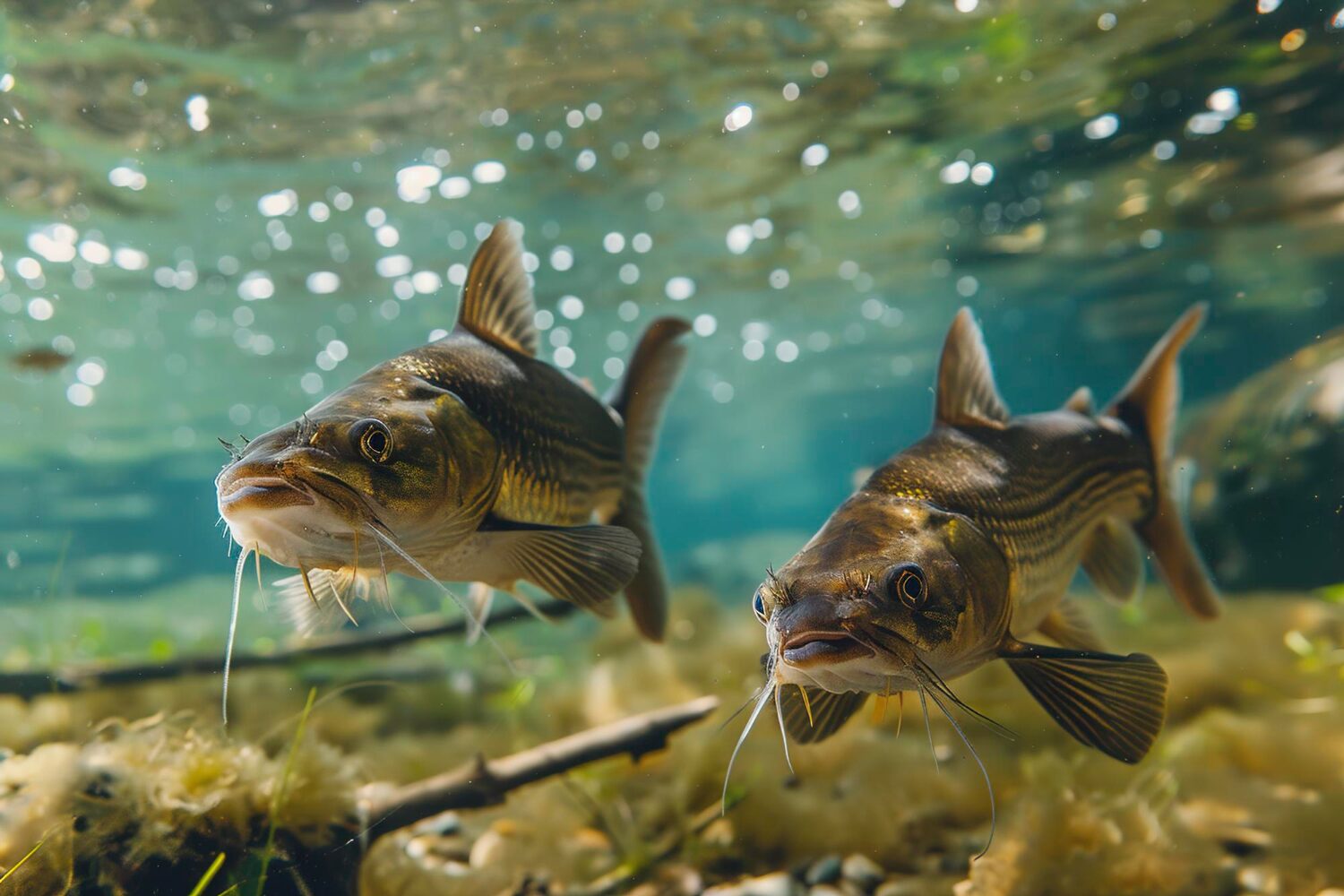
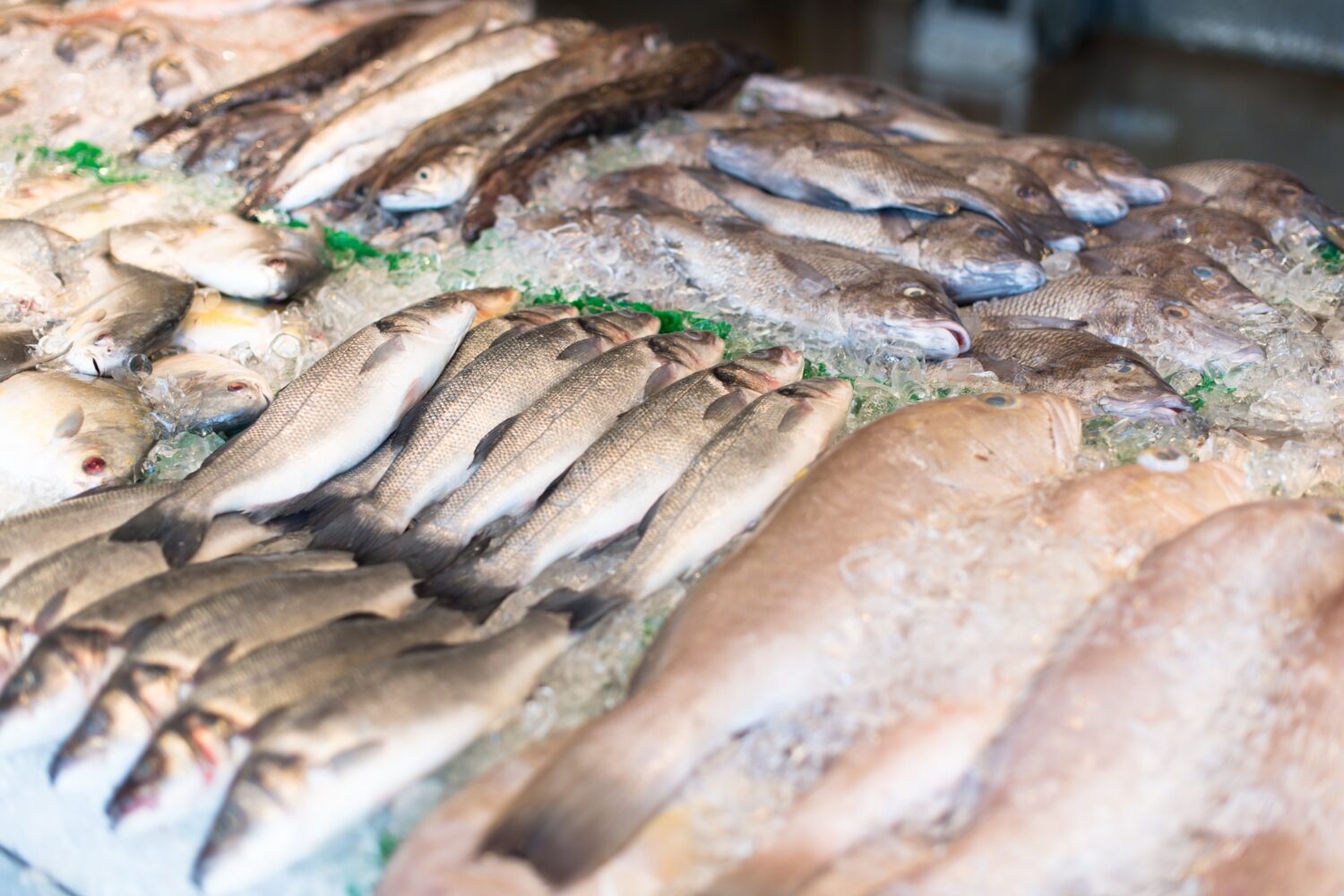
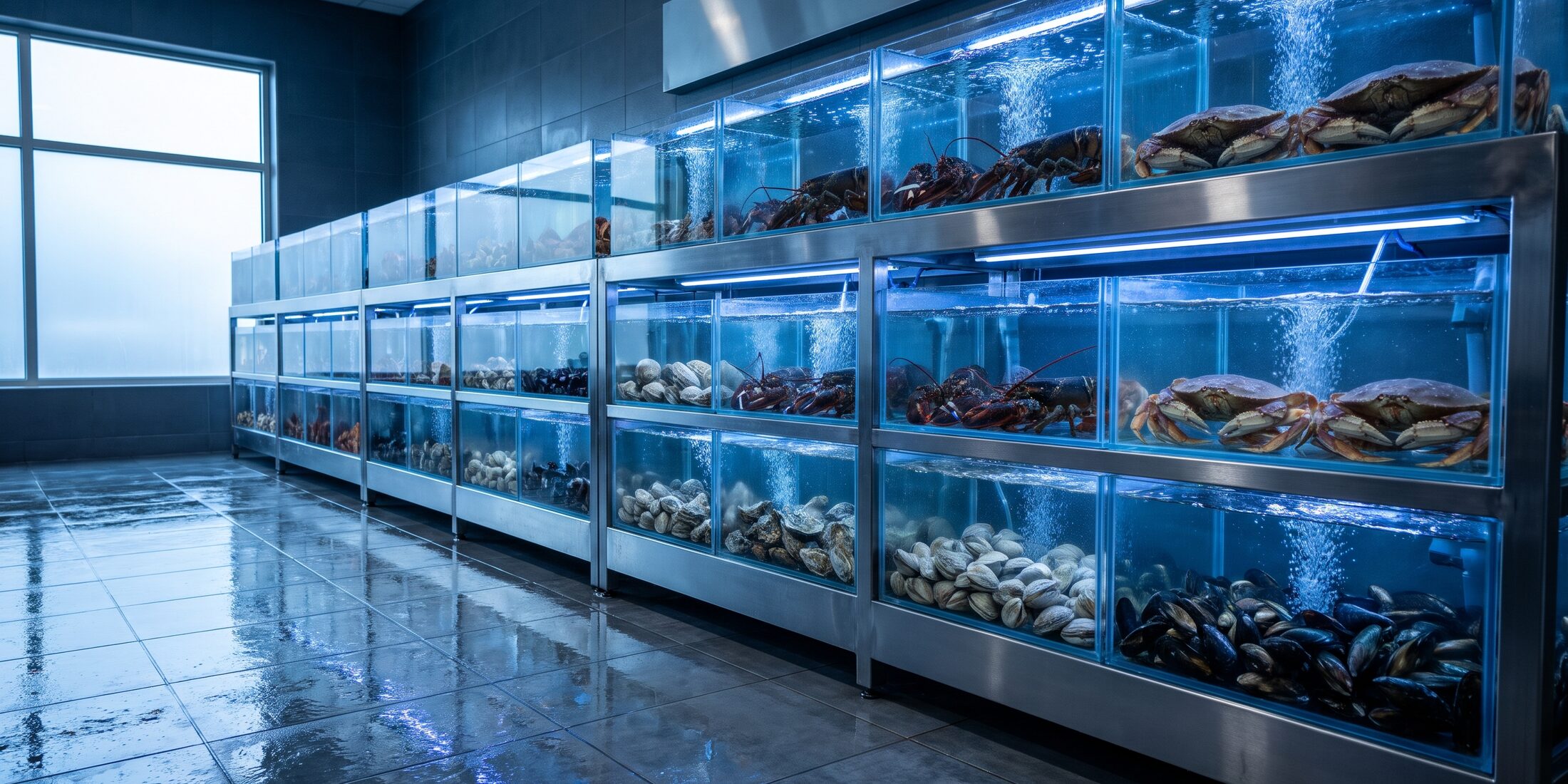
Fishmongers are one of the contexts in which professional aquariums find one of their most important applications. In these environments, tanks are used to temporarily hold various species of live fish and crustaceans, organising the display in an orderly and functional manner. The system must allow the operator to manage the animals easily, check water conditions and carry out routine cleaning operations.
Keep readingShow less
Requirements can vary considerably depending on the size of the business and the type of product sold. A small fishmonger may require a single multi-purpose tank, whereas a large business may require multiple independent compartments, each dedicated to specific species.
The separation of animals is important to avoid incompatibility, reduce stress situations and properly manage species with different environmental requirements. For this reason, the design must carefully assess the number of tanks, the available volume and the possibility of individually adjusting water parameters.
A professional system for a fishmonger must also facilitate loading and unloading operations. The accessibility of the tanks, the presence of any controlled draining systems and the layout of the compartments directly affect daily working efficiency. Cleaning is also of vital importance. Bottoms, walls, grids and filter components must be easy to reach, allowing regular maintenance without compromising the overall operation of the system. For fishmongers that market large quantities of live product, it is particularly useful to evaluate modular or centralised systems capable of managing multiple tanks via a shared plant room.
CHAPTER 5 – AQUARIUMS FOR SUPERMARKETS, HYPERMARKETS AND LARGE-SCALE RETAIL
In large-scale retail, professional aquariums are mainly used to enhance the fishmonger department and offer consumers a more complete shopping experience. Supermarkets and hypermarkets can integrate display tanks directly within the fish counter, creating areas dedicated to showcasing crustaceans, molluscs and other live species sold.
Keep readingShow less
These systems must be designed to operate in environments characterised by high sales volumes, continuous use, and frequent product handling operations. One of the most important aspects is modularity. Having multiple independent tanks allows species to be organised into separate compartments, simplifying management operations and reducing the risk of a problem in one tank automatically affecting all the others.
Furthermore, structures must be compatible with commercial fixtures, refrigerated counters, and the architectural features of the point of sale. The technical equipment can be located in a dedicated compartment, a service room, or an integrated structure, provided it remains easily accessible for maintenance work.
Large-scale retail also requires particular attention to reliability. System downtime can lead to significant economic and operational consequences. For this reason, it is advisable to provide monitoring systems, alarms, electrical protections, and, when necessary, redundant components. Designing an aquarium for a hypermarket must take into account not only display capacity, but also operational continuity, safety, and ease of management for personnel.
CHAPTER 6 – AQUARIUMS FOR FOOD LOGISTICS, SEAFOOD WHOLESALERS AND DISTRIBUTORS
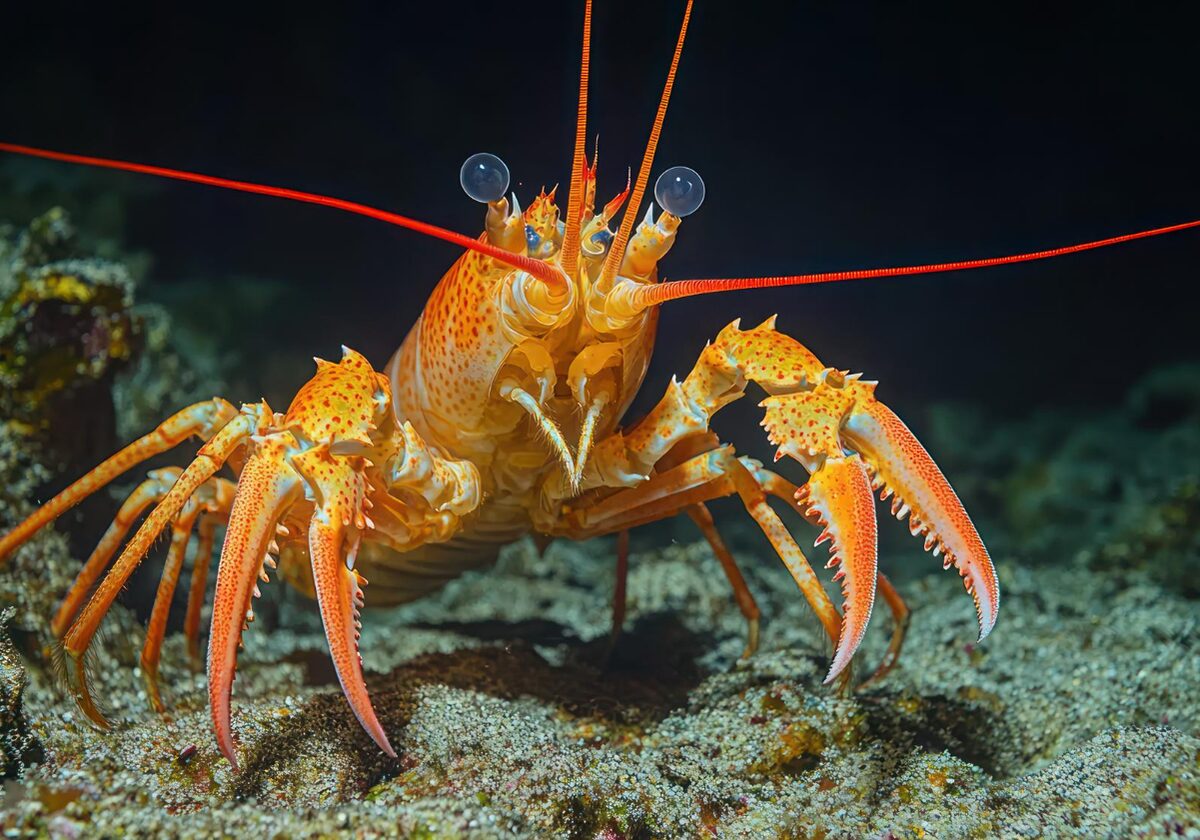
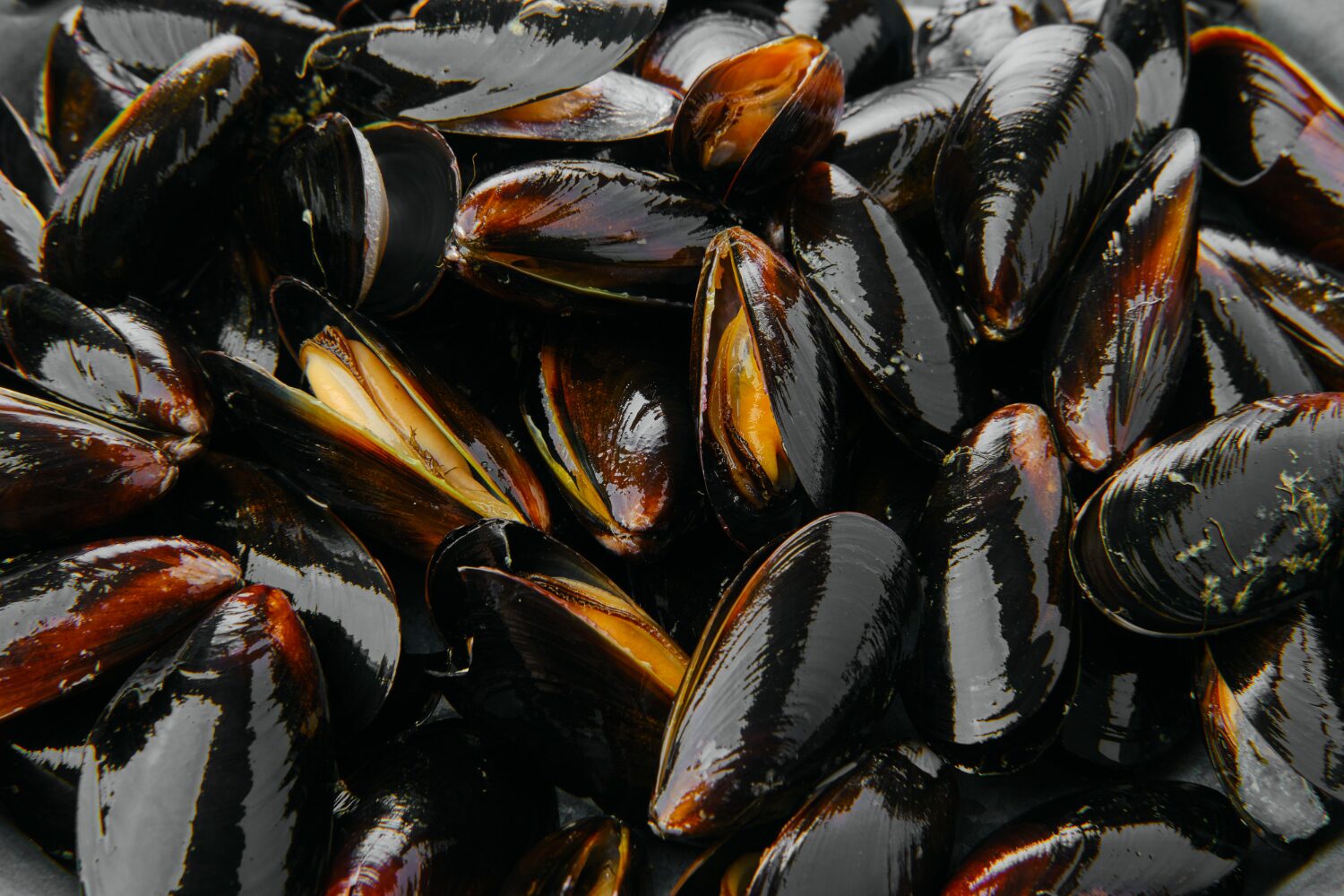
A particularly interesting sector is food logistics connected to the distribution of live seafood products. Wholesalers, distributors, storage centres, and specialised operators may need to temporarily hold live fish, crustaceans, and molluscs prior to sale or shipment to other destinations.
Keep readingShow less
In these contexts, the aquarium assumes a predominantly operational function. The main objective is to guarantee controlled environmental conditions during the period the animals remain inside the facility. Systems may consist of large technical tanks, modular systems, holding tanks, and water treatment units. The configuration is defined based on the species handled, quantities, holding times, and handling methods.
A central element is the management of bioloads. The quantity of animals present, organic waste production, and oxygen consumption must be considered when sizing pumps, filters, and aeration systems.
Furthermore, live fish logistics requires particular attention to transfer operations. Tanks must allow orderly handling, avoiding unnecessary handling and reducing stressful situations. Temperature control also plays a fundamental role. Different species may require different thermal ranges and, in some cases, separate circuits must be set up. For these applications, it is advisable to design the system considering not only current requirements, but also the possibility of increasing operational capacity in the future.
CHAPTER 7 – CONSTRUCTION FEATURES: TANKS, MATERIALS AND STRUCTURES
The quality of a professional aquarium also depends on the choice of materials and construction methods. The tanks can be made of glass, engineering plastics or other materials compatible with the intended use. The choice depends on the dimensions, the pressure exerted by the water, the required clarity, mechanical resistance and the characteristics of the installation environment.
Keep readingShow less
Glass is particularly valued for its clarity and aesthetic quality. In professional systems, careful evaluation must be given to thickness, sheet sizing, joint types and support features. For certain applications, materials such as PMMA or other engineering polymers can be used, allowing specific geometries and configurations to be achieved.
The supporting frame must also be correctly sized. A large tank holds a considerable weight, to which is added that of the structures, equipment and any accessories. The support structures must be designed taking into account load distribution, flooring conditions and the characteristics of the installation.
Another important element concerns the choice of materials in contact with water. Gaskets, piping, fittings and internal components must be suitable for the intended use and compatible with the chemical and thermal conditions of the system. Build quality is therefore not limited to the visible aspect of the tank. It encompasses all parts contributing to the stability, watertightness and durability of the entire system.
CHAPTER 8 – CIRCULATION PUMPS AND WATER MOVEMENT SYSTEMS
Pumps represent one of the fundamental elements of a professional aquarium. Their function is to ensure the continuous movement of water through treatment circuits, filtration systems and any oxygenation devices. Proper circulation allows temperature, oxygen and dissolved substances to be distributed more evenly, limiting the formation of stagnant areas.
Keep readingShow less
The sizing of pumps must be carried out considering the volume of the tanks, head losses in the pipework, head height, the presence of filters and the characteristics of the housed species. Choosing a pump based solely on the nominal flow rate declared by the manufacturer is not sufficient. The actual flow rate under real installation conditions must be evaluated.
In professional systems, submersible pumps or external pumps may be used, selected according to hydraulic configuration and maintenance requirements. Submersible pumps can offer advantages in terms of installation simplicity, whereas external ones often allow easier access for inspection and replacement operations.
It is also important to consider energy consumption, noise levels, corrosion resistance and the capability for continuous operation. In more critical systems, the inclusion of a backup pump or alternative water movement systems should be evaluated. The correct choice of pumps contributes to the stability of the entire system and represents a fundamental investment for its long-term reliability.
CHAPTER 9 – MECHANICAL, BIOLOGICAL AND CHEMICAL FILTRATION
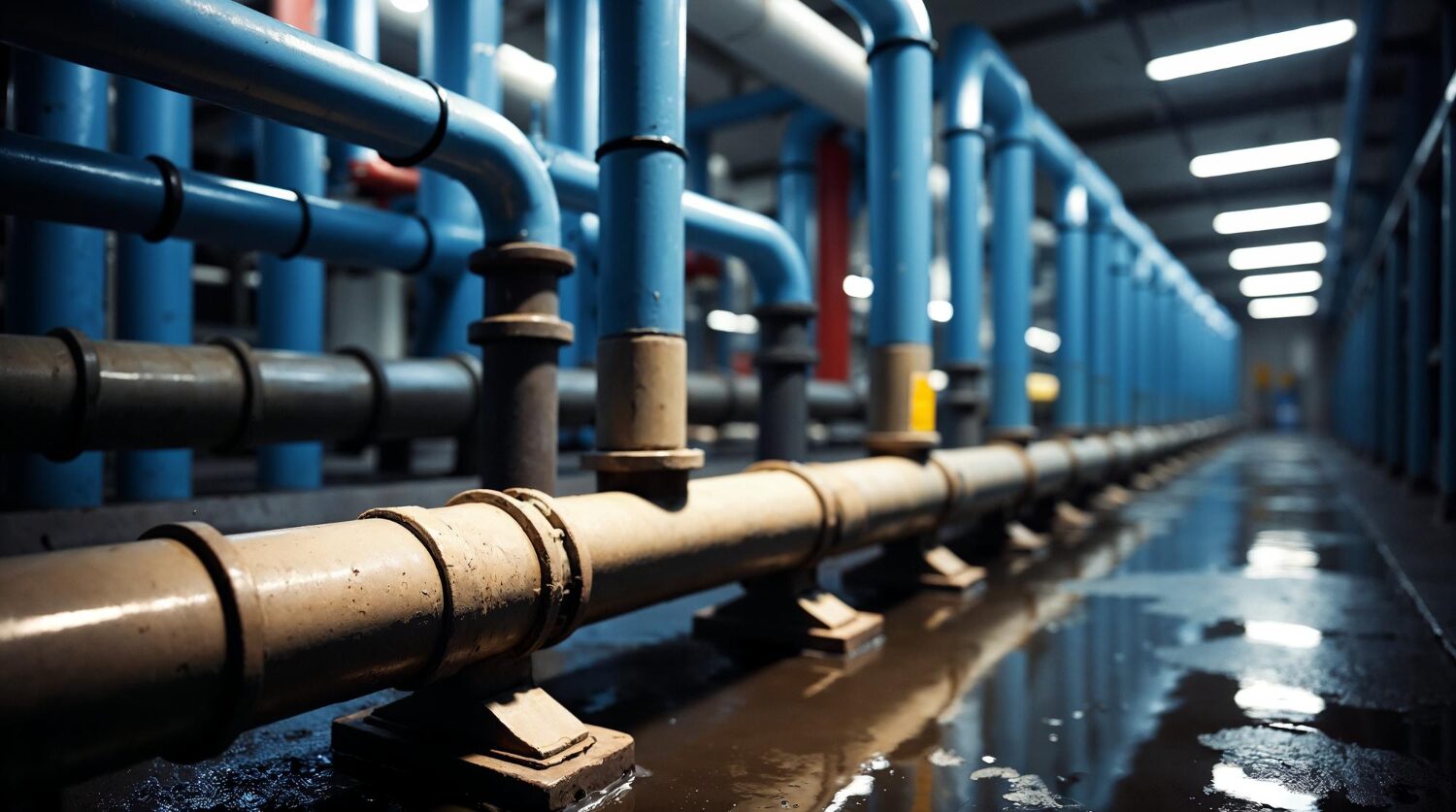
Filtration is one of the most important processes for maintaining adequate water quality inside a professional aquarium. Animals produce organic waste, faecal matter and other substances which, if not properly managed, can rapidly compromise environmental conditions. Mechanical filtration is responsible for trapping solid particles present in the water. It can use sponges, cartridges, filter media, technical baffles or automatic waste separation systems.
Keep readingShow less
Biological filtration performs a different function instead. Within it, colonies of microorganisms develop that convert nitrogenous compounds produced by animal metabolism. In particular, the nitrification process allows ammonia and ammonium to be converted into nitrites and subsequently into nitrates. The first two forms can be particularly toxic to aquatic organisms, whereas the accumulation of nitrates must be managed through water changes and appropriate systems.
Biological media can consist of plastic supports with a high specific surface area, porous materials and other elements designed to promote the growth of bacterial colonies. Chemical filtration, on the other hand, uses media capable of retaining or modifying certain dissolved substances. Among the best-known examples are activated carbon and specific adsorbent media.
In professional systems, combining multiple technologies is common, so as to achieve comprehensive water treatment that is consistent with the expected bioload. Filtration capacity must be sized based on the animals present and the operational features of the system, not merely on the nominal volume of the tanks.

CHAPTER 10 – UV STERILISATION, HYGIENE AND MICROBIOLOGICAL CONTROL
Sterilisation using ultraviolet UV-C radiation is a technology used in numerous professional aquatic systems to help control microorganisms present in the water.
Keep readingShow less
The operating principle is based on the exposure of water to an ultraviolet radiation source inside a closed device. UV-C energy can inactivate various microorganisms by interfering with their replication mechanisms. The effectiveness of the treatment depends on several factors, including lamp power, exposure time, water flow rate, fluid clarity and the characteristics of the UV reactor.
An excessive flow rate can reduce contact time and therefore the effectiveness of the treatment. For this reason, sizing must be carried out taking into account the technical specifications of the device and the microbiological objective to be achieved. The UV lamp does not replace mechanical and biological filtration. It does not eliminate organic residue, does not remove nitrogenous substances and does not resolve potential water quality issues on its own.
It is also important to remember that UV treatment acts on the water passing through the device, without automatically disinfecting all surfaces of the tank or the animals present. Maintenance involves periodic checking of the light source, cleaning the protective sleeve and replacing the lamp according to the manufacturer's instructions. Installation must be carried out in a closed hydraulic circuit, avoiding any direct exposure of people to UV-C radiation. Inside a professional aquarium, the UV system is a complementary technology, which is particularly useful when integrated into an overall water treatment and management project.
CHAPTER 11 – OXYGENATION, REFRIGERATION AND TEMPERATURE CONTROL
Water quality does not depend solely on filtration. Oxygenation and temperature are fundamental parameters for ensuring suitable environmental conditions for the housed species. Dissolved oxygen is consumed by the animals and microorganisms present in the system. Its availability can decrease rapidly in the presence of high biological density, elevated temperatures or circulation issues.
Keep readingShow less
For this reason, professional aquariums can integrate aeration systems, diffusers, dedicated pumps, mixers and oxygenation devices. The choice depends on the size of the system and the characteristics of the species. Certain applications require particularly efficient systems and emergency devices capable of operating in the event of a power failure.
Temperature must be controlled with equal care. Marine fish, crustaceans and organisms from different environments can have very different thermal requirements. Professional systems make use of chillers, heat exchangers, refrigeration units and automatic regulation systems.
The sizing of the cooling system must take into account the water volume, ambient temperature, lighting, heat generated by the equipment and the frequency of tank opening. A professional system can integrate temperature probes and electronic controllers to continuously monitor parameters.
It is important to provide alarms in the event of exceeding the set thresholds and to evaluate emergency solutions to protect the animals during any faults. Thermal stability and an adequate supply of oxygen are essential elements for the proper functioning of the aquarium.
CHAPTER 12 – LIGHTING, AESTHETICS AND SHOWCASING THE PRODUCT
Lighting represents an important element in the design of professional aquariums, especially when the system is intended for commercial display. LED lamps are nowadays one of the most widely used solutions thanks to their energy efficiency, durability and the option to choose different colour temperatures. Correct lighting makes it possible to visually enhance the product and improve customer perception of the display.
Keep readingShow less
However, the choice of lighting must also consider the needs of the hosted organisms. Excessively intense or prolonged lighting can contribute to creating stress conditions, encouraging algae growth and increasing the thermal load of the system. For this reason, it is advisable to design a balanced system, optionally equipped with intensity adjustment and timer settings.
In commercial aquariums, lighting units can be integrated into the upper structure, inside technical profiles or in suitable compartments protected from humidity. The arrangement of the light fittings is also important. The objective is to achieve a uniform distribution of light, avoiding excessively lit zones or completely shaded areas. The aesthetics of the aquarium must always be subordinated to biological functionality and system safety.
CHAPTER 13 – TAILOR-MADE DESIGN, INSTALLATION AND AUTOMATION
Every commercial business has different characteristics. For this reason, tailor-made design represents one of the most effective solutions for creating truly functional professional aquariums. The process starts with an analysis of the available space, the intended use and the species to be housed.
Keep readingShow less
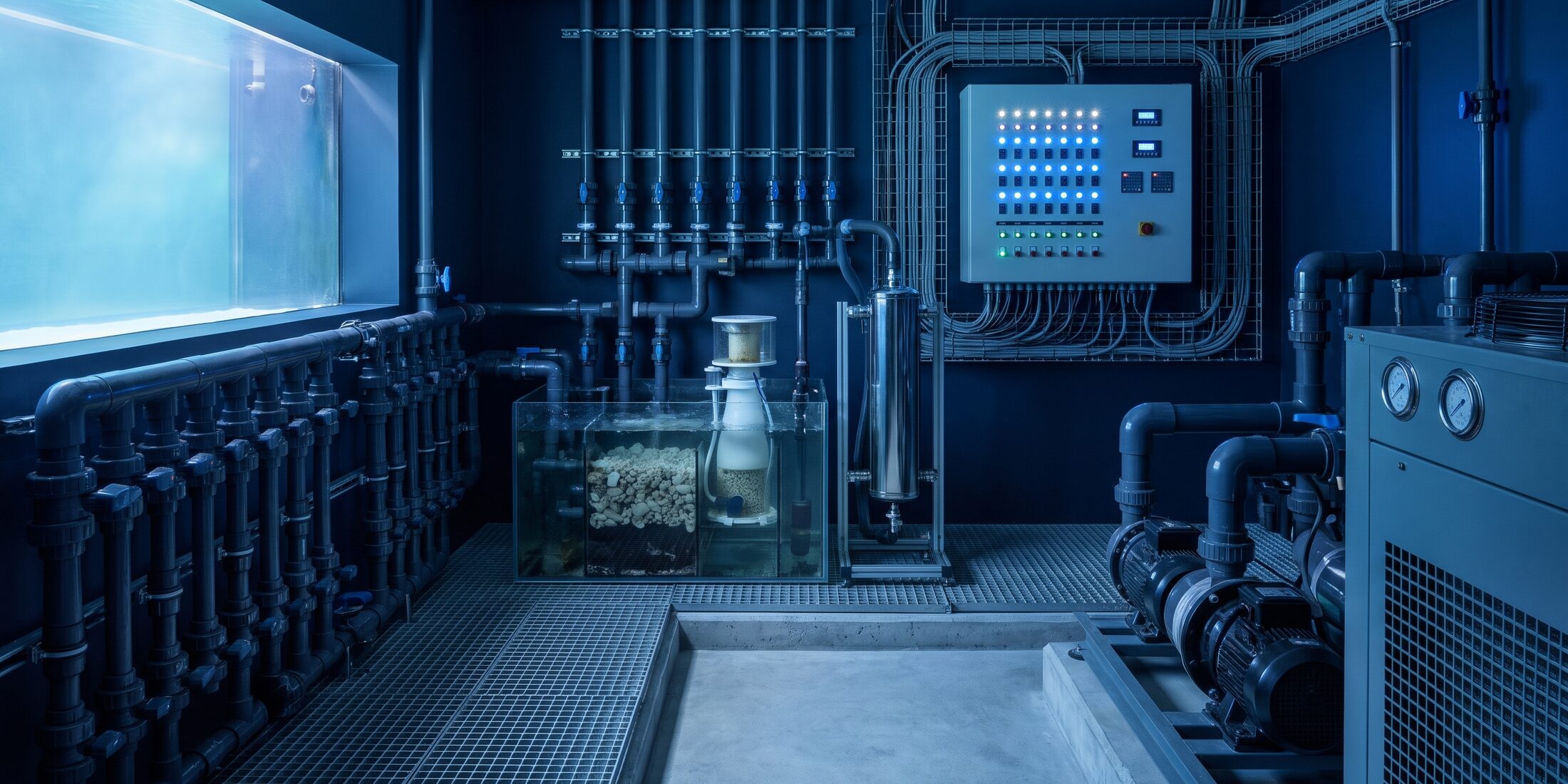
Subsequently, the tank volume, compartment layout, pipe routing, equipment location and plant room configuration are defined. A complete design must also consider electrical systems, drainage, water supply, technical room ventilation and the structural conditions of the building.
Automation can significantly improve daily management. Electronic controllers and sensors allow parameters such as temperature, water level and the operation of certain equipment to be monitored. More advanced systems can integrate alarms, notifications and remote monitoring, allowing operators to promptly identify any anomalies.
Automation does not eliminate the need for checks and maintenance, but allows system operation to be made more organised and predictable. Installation must also be carefully planned. Transport, positioning, plumbing connections, electrical connections and commissioning must be managed according to a defined procedure.
Before introducing the animals, it is necessary to verify the operation of the circuits, tank tightness, treatment system efficiency and the stability of water parameters. A well-designed professional aquarium is therefore the result of a process that includes preliminary analysis, technical design, construction, installation and commissioning.
CHAPTER 14 – MAINTENANCE, TECHNICAL SUPPORT AND LONG-TERM RELIABILITY
Maintenance is an essential component in the management of any professional aquarium. Even the most advanced system requires regular checks to maintain the operating conditions specified in the design over time.
Keep readingShow less
Operations may include tank cleaning, checking pumps, verifying filters, replacing filter media when necessary and checking electrical equipment. It is important to periodically monitor key water parameters, including temperature, salinity when relevant, pH, dissolved oxygen and nitrogenous compounds.
The frequency of checks must be defined considering the housed species, the bioload, system stability and technical instructions from the designer.
An often underestimated aspect concerns fault prevention. Pumps, chillers, UV lamps, probes and electronic controllers are components that must be checked and replaced according to manufacturers' instructions. In commercial systems, it is particularly useful to establish a scheduled maintenance plan, recording any work carried out and anomalies found.
The availability of spare parts and technical support are also important factors when choosing a supplier. A professional system must be designed not only to function correctly on the day of delivery, but also to be managed and maintained efficiently throughout its entire lifecycle.
CHAPTER 15 – FREQUENTLY ASKED QUESTIONS ABOUT PROFESSIONAL AQUARIUMS (FAQS)
Short answers to the most common questions on systems, costs, timing and maintenance.
01What is the difference between a domestic aquarium and a professional aquarium?
A domestic aquarium is generally designed for ornamental and recreational purposes. A professional aquarium, on the other hand, is developed to meet commercial and operational needs, such as keeping live fish and crustaceans in restaurants, fishmongers, supermarkets and distribution centres. The design takes into account bioloads, filtration systems, operational continuity, accessibility and maintenance.
02Which types of business can use a professional aquarium?
Professional aquariums can be installed in restaurants, hotels, fishmongers, fish markets, supermarkets, hypermarkets, wholesalers, food distributors and logistics centres specialising in handling live seafood. The configuration must be tailored to the specific needs of each business.
03Is it possible to build a custom-made aquarium?
Yes. Professional systems can be custom-designed according to the available space, the number of tanks, the species housed, and operational requirements. It is possible to create linear, corner, panoramic, recessed, or integrated structures within commercial fittings.
04Which species of fish and crustaceans can be housed?
The species depend on the features of the system and the environmental parameters that can be maintained. Among the organisms commonly managed in commercial systems are various species of marine fish, lobsters, spiny lobsters, crabs, and other crustaceans. Each species requires specific conditions and must be evaluated before defining the configuration of the tanks.
05How does filtration work in a professional aquarium?
Filtration generally combines mechanical and biological processes. The former retains solid particles, whilst the latter enables microorganisms to convert the nitrogenous compounds produced by the animals. Depending on requirements, chemical filtration systems and additional treatment technologies can be added.
06What is the purpose of a UV-C lamp?
A UV-C lamp is used to help control certain microorganisms present in the water. The treatment takes place inside a closed unit through which the water flow passes. It does not replace filtration and must be correctly sized based on the flow rate and system specifications.
07Do the pumps need to operate continuously?
In standard professional holding systems, water circulation must be continuously guaranteed in accordance with the plant design. An interruption can rapidly compromise oxygenation and water treatment. It is therefore important to evaluate emergency systems and backup solutions.
08Is it necessary to install a water chiller?
It depends on the species housed, ambient temperature and operating conditions. In many systems designed for marine organisms, a cooling system must be provided to maintain adequate and stable temperatures.
09How much space is needed to install a professional aquarium?
There is no standard size. Systems can be built even in relatively contained spaces or expand across multiple tanks and a dedicated plant room. Prior to installation, it is necessary to check the available space, the structural load-bearing capacity of the floor and the feasibility of making the required connections.
10Can multiple tanks be connected to a single filtration system?
Yes. It is possible to design centralised systems in which multiple tanks share a plant room. However, the configuration must be carefully evaluated based on the species, biological compatibility and health isolation requirements. In some cases, it is preferable to use independent circuits.
11What checks need to be carried out on the water?
Checks depend on the species housed and can include temperature, salinity, pH, dissolved oxygen, ammonia, nitrites and nitrates. The frequency of checks must be defined based on system stability and the bioload.
12How much does a professional aquarium cost?
The cost depends on numerous factors: tank dimensions, materials used, number of compartments, complexity of filtration, pumps, chilling, UV sterilisation, automation and installation methods. To obtain a reliable assessment, a project must be developed based on the specific needs of the business.
13How much time does it take to build a system?
Timescales vary depending on the dimensions, technical complexity and level of customisation required. A small system may have different timelines compared to a centralised facility intended for a hypermarket or distribution centre. Planning must include design, production, transport, installation and testing.
14Is it possible to automate the operation of the aquarium?
Yes. It is possible to integrate electronic controllers, temperature sensors, level controls, alarm systems and remote monitoring devices. Automation makes it possible to monitor certain parameters and promptly identify any anomalies, without replacing maintenance and checks carried out by operators.
15Why should one rely on a specialised company?
A professional aquarium is a complex system in which every component must be correctly sized and integrated. Relying on a specialised operator allows all phases of the project to be addressed, from the initial evaluation to the choice of technologies, from construction to installation, through to maintenance. Thorough design helps to improve reliability, daily management and system longevity.
THE RIGHT SOLUTION FOR EVERY PROFESSIONAL NEED
Professional aquariums are an important technological solution for all businesses operating in the food service, retail and distribution sector of live seafood. From small systems intended for restaurants to large facilities for fishmongers, supermarkets and logistics centres, every project must be developed taking into account the features of the business, the species housed and operational conditions.
The quality of a professional aquarium stems from the integration of various elements: durable tanks, correctly sized pumps, efficient filtration, UV sterilisation when required, oxygenation, temperature control and monitoring systems.
Bespoke design enables functional, aesthetically pleasing systems to be achieved, capable of meeting the practical needs of operators. Choosing a professional system means investing in a structure designed for daily operation, simplifying product management and offering a display suited to the characteristics of the business.
Every project should start with an in-depth technical analysis, aimed at identifying the most suitable configuration and creating an aquarium that is truly efficient, safe and reliable over time.
Useful sources:
The reference entries cited in the text, with their full address.
https://www.treccani.it/vocabolario/ittico/
https://www.plastics-seals.it/Prodotti
https://it.wikipedia.org/wiki/Polimetilmetacrilato
https://it.wikipedia.org/wiki/Filtro_biologico
https://www.treccani.it/enciclopedia/nitrificazione/
https://it.wikipedia.org/wiki/Carbone_attivo
https://www.lighting.philips.it/aree-applicative/specialist-applications/uv-disinfection
https://come-funziona.com/elettronica/come-funziona-un-diodo-led/
https://hanna.it/che-cose-il-ph/
https://come-funziona.com/tecnologia/come-funziona-uno-sterilizzatore-uv-per-ristorazione/